 Call us
 Email us
How to Interact and Network With People
at Open Studios and Gallery Openings
Artists are often uncomfortable, uneasy or unsure how to act at their openings, at open studios, or anywhere else where their art is for sale and they're in attendance. The good news is that these feelings are perfectly normal; you are by no means alone. So for you multitudes who fall into the category of not quite knowing what to do with yourself, here are some useful tips on how to work the crowds and maximize your chances for success, productive networking and hopefully... sales. Keep in mind that there are always exceptions, but the following recommendations will generally get you where you want to go:
* Be there. Never be a no-show at any of your openings or events unless otherwise instructed by a gallery owner or someone else in a position of responsibility.
* Arrive on time or even a little early so you have a chance to get comfortable and organized. Stay for the duration; do not leave early.
* At all times, make yourself available to answer questions and speak with people about your art. If you have to excuse yourself for any reason, tell someone at the gallery or open studios where you're going and when you'll be back.
* The most important people to speak with are those you don't know. If someone you don't know looks like they want to talk to you, either go over to them or if you're speaking with someone else, acknowledge them and get to them as soon as you can. Hopefully over time, people you don't know will become people you know... and especially hopefully, people who'll buy.
* The least important people to speak with are those you already know and can speak with at anytime including family, close friends, fellow artists and other members of your inner circle. You might even consider a preemptive strike if you expect the event to be busy and tell them not to be offended if you have to end a conversation abruptly. These people are fine to talk with during lulls in the action, but always keep an eye out for people you don't know who may be hovering around looking like they want a little attention.
* Unless things are relatively quiet, keep conversations short, preferably under a few minutes. No matter who you're speaking with, be aware of your surroundings and of any potentially impending conversations. Be prepared to politely excuse yourself and either say you'll get back later or that you'll be happy to continue the conversation another time.
* Speak in terms that average everyday uninformed people can understand, especially those you don't know. A good tact is to assume that everyone knows little or nothing about your art, or art in general for that matter. Let the other party guide the conversation. If they turn out to be knowledgeable, then fine-- ratchet up the level of conversation. But always keep it within people's comfort levels. It takes very little provocation to confuse potential fans or scare them away.
* If you don't know how to talk about your art in terms ordinary people can understand, work something up in advance, test it out on your friends, preferably those without extensive knowledge about your art or about art in general, and see whether they get it. If they do, practice it up to the point where you're reasonably at ease, comfortable, and good to go. Another effective strategy is to take typical responses and observations you consistently hear from viewers about your art and work them into your explanations. The goals here are to get people up to speed as quickly as possible and hopefully to set foundations for future interactions or even potential relationships. And please don't fret about the details in introductory conversations; you'll have plenty of time to get deep and complicated later as relationships progress.
* Always consider the viewer when formulating your basic explanation. What's in it for them? How will it enrich their lives? Why should they buy your art? Why should they hang it in their homes or offices and look at it everyday? Talk about your art as a collaborative endeavor-- you create a visual experience; they have an opportunity share or even participate in it. There is hardly a better way to advance a conversation towards a sale than to touch upon ways people might appreciate or otherwise derive pleasure from being around your art, now and forever more. Keep in mind here that you're not telling people how to appreciate it, but rather filling them in a little on what it signifies to you and what inspires you to create it.
* When people ask general introductory questions about your art, your standard opening explanation should be brief and to the point, preferably under a minute (you'll be shocked at how much you can say in a short amount of time). In terms of practice, a good idea is to record or video yourself answering typical questions people ask, play them back and see whether you can hold your own attention. If you can't, then it's back to the proverbial drawing board.
* At all points in any conversation, keep in mind the old adage that "less is more." Enticing people or leaving them wanting is far preferable to drowning them in words. Art is a visual medium anyway, not a verbal one. Talk is great, but offer just enough in the way of background information to get people looking at your art, and to see whether they can actually see or experience what you're talking about. That's the best way to go.
* As a conversation progresses, focus on your inspirations, how you source your art, how the work comes into being, and similar "intangible" details. The goal here is to involve people in your narrative, in the romance of your creative adventure, to convey a significance about your work beyond the purely visual that they can understand and identify with. Unless someone really wants to know, and you can tell them in pretty short order, avoid getting bogged down in conversations about technique. Most people get bored hearing details about how you make your work. The exception here is if your art is more about process than product or if your techniques are fascinating or unique in some way.
* Make sure you know how much your art is selling for before the show opens. If someone asks for a price, tell them (better yet, have all prices posted either near the art or on a price list). Don't say you don't know; don't refer inquiries to someone else. There's nothing to be embarrassed or waffle about. Your prices are your prices and that's that. The last thing you want to do at a critical juncture like this is to break the momentum. Hopefully the conversation will proceed smoothly progress to the point where you make a sale.
* If you're opening at a gallery, let the gallery owner have a say in how you script your agenda. They know who you should talk to, so make sure you're aware of and responsive to them at all times. Better yet, discuss the opening plan of attack with the owner ahead of time so you're both clear on procedure.
* There's always someone in attendance who'll either want to blather on ad infinitum, inundate you with questions, or otherwise monopolize your time while having absolutely no intention of ever buying your art. If you're showing at a gallery, plan an exit strategy either with the gallery owner or one of the assistants in case you get cornered. Gallery owners generally know who these time wasters are or can recognize them easily enough. If you're at open studios or otherwise on your own, think up an excuse (planned in advance) to extricate yourself. The more of these events you participate in, the better you'll get at pegging the prattlers and ending pointless conversations.
* If you get cornered by someone who can't seem to get enough of you, tell them they're welcome to continue the conversations at later dates. If you're at open studios or other venues where you're not represented by a gallery, direct them to your contact information-- email, website, and so on, and encourage them to get in touch. Depending on the strength or potential of the interaction, you might also offer your cell or studio phone numbers or even extend an invitation to stop by your studio. If you're represented by a gallery, discuss these types of continuing conversations with the owner or owners ahead of time and get clear on the ground rules.
* For more about showing and selling your art at openings, exhibitions and similar events, read the following: Art Opening Protocol 101
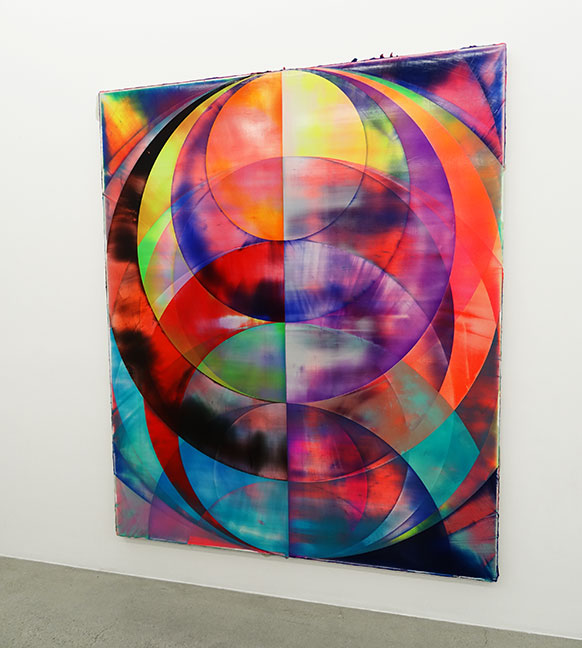
(art by Shannon Finley)

Current Features
- How to Buy Art on Instagram and Facebook
More and more people are buying more and more art online all the time, not only from artist websites or online stores, but perhaps even more so, on social media ... - Collect Art Like a Pro
In order to collect art intelligently, you have to master two basic skills. The first is being able to... - San Francisco Art Galleries >>